


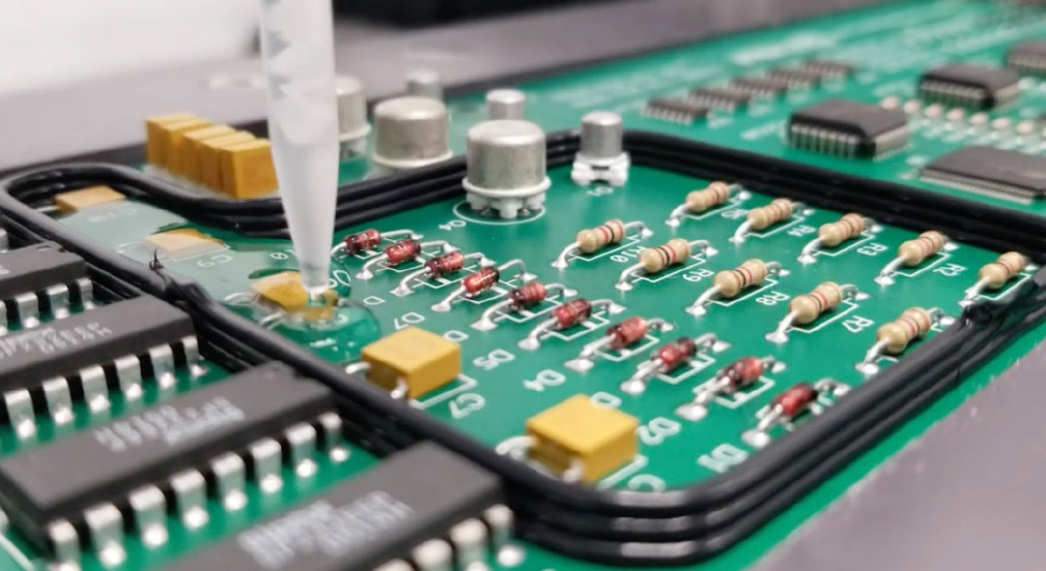
As electronics play an increasingly significant role in the Swedish manufacturing industry, components are becoming both smaller and more power-dense. This means that thermal management has gone from being a peripheral issue to becoming a decisive factor in a product’s service life and functionality. Despite this, the choice of potting compound and silicone adhesive is often not addressed until the very final stage of the development process.
– Silicone and thermal interface materials generally account for a very small proportion of the total product cost. As a result, they are easily overlooked during the design phase – until you reach the testing stage and realise that the operating temperatures are too high.
The cost of choosing the wrong silicone
Taking a chance on the properties of silicone, or choosing the wrong type of material to save time, can have serious consequences. If heat is not dissipated effectively, the service life of the electronics is significantly reduced. Furthermore, incorrect hardness or elastic properties can create stresses on the printed circuit board during temperature fluctuations, leading to cracked solder joints. Once the product is in mass production, such a fault can result in costly complaints and damage to customer confidence.
From uncertainty to security
To avoid delays in the final stages, it is important to be able to assess the right parameters:
- Thermal conductivity: Tailored to the amount of heat that needs to be dissipated from hotspots.
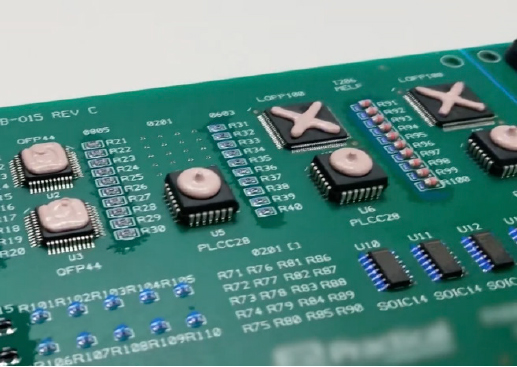
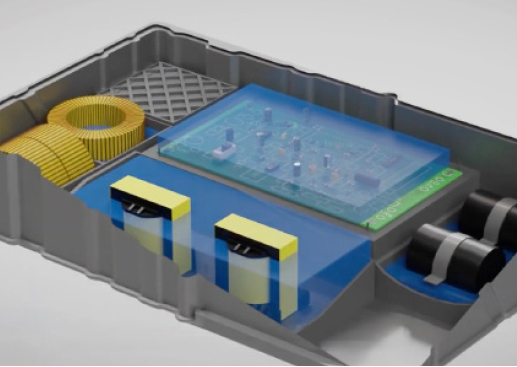
- Application method: Silicone adhesive for spot bonding to heat sinks, or moulding compound for complete encapsulation and environmental protection.
- Production adaptation: Viscosity and curing mechanism suited to the existing dosing equipment.
Tribotec – a technical partner in the development chain
Tribotec has long supported Swedish industry with specialist chemicals and application expertise.
”By offering advice and technical support, we help designers and production managers to quickly navigate the range of material options, ensuring the product is validated before it reaches the market.”
”It’s not just about supplying a tin of silicone. Our role is to be a reliable partner who ensures that the solution works in practice, both thermally and on the production line.”
Do you want to ensure the longevity of your electronic devices and effective heat dissipation?
Please feel free to contact our silicone specialist Kim Hedén for technical advice!


